
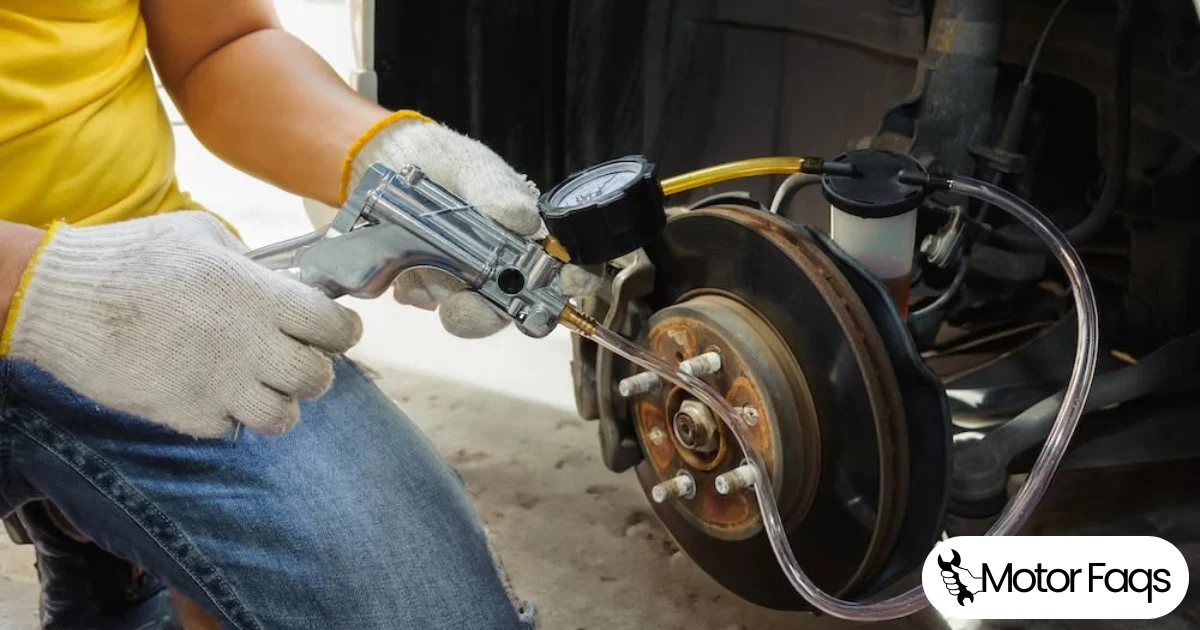
Air in the brake lines can indeed make a caliper stick, because the compressible air messes with hydraulic pressure. When the line isn’t full of fluid, the caliper can stay partially engaged, leading to uneven wear and a soft pedal feel. Fix it by bleeding the system properly.
Here’s Why That Happens
Think of the brake system like a water hose. If there’s a bubble in the hose, the water won’t push as hard at the end. In a brake line, air is that bubble – it compresses when you press the pedal, so the force never quite reaches the caliper. The result? The pistons don’t fully retract, and the pads keep rubbing.
In my 20‑year shop life, the most common sign is a pedal that feels spongy at first, then firms up after a few pumps. If you hear a faint hiss or see the wheel dragging a little, you’re probably looking at a stuck caliper caused by air.
- Uneven pad wear – one side will wear faster.
- Heat buildup – can lead to brake fade or warped rotors.
- Reduced stopping power – especially dangerous in wet conditions.
Ignore it, and you’ll end up replacing pads, rotors, or even the caliper sooner than you’d like. The fix is straightforward: bleed the brakes until only clear fluid comes out, making sure there are no bubbles left in the lines.
Grab a clear tube, a catch bottle, and a helper to pump the pedal. Open the bleeder valve, let fluid flow, and watch for air bubbles. When they’re gone, tighten the valve, and repeat on each corner. After you’re done, pump the pedal a few times to seat the pistons and check for drag.
Bottom line: yes, air in brake lines can cause a caliper to stick, but a proper bleed clears it up and saves you a lot of hassle down the road.